Sa2web logoSa2webZero-trust remote browser for AI and humans
Sign inBuy license

Product features

Put browsers, permissions, sensitive-data protection and audit trails into an enterprise browser bastion

Sa2web centralizes internal-system entries, permission policies, employee transitions, remote handling for origin scripts and cookies, sensitive-data protection, remote environments and DOM replay into a browser bastion so business access is controllable, auditable and traceable.

Access securityControlledScripts, cookies, credentials and sessions stay in the workspace
Data protectionMaskedSensitive fields follow role policies
AccessBYODEmployee-owned devices can access approved workspaces safely
TransitionsClearEntries, permissions and records stay centrally managed

Real product screens show how it lands in practice

From admin management and bastion entries to sensitive-data protection and replay audit, the key capabilities form a practical business loop.

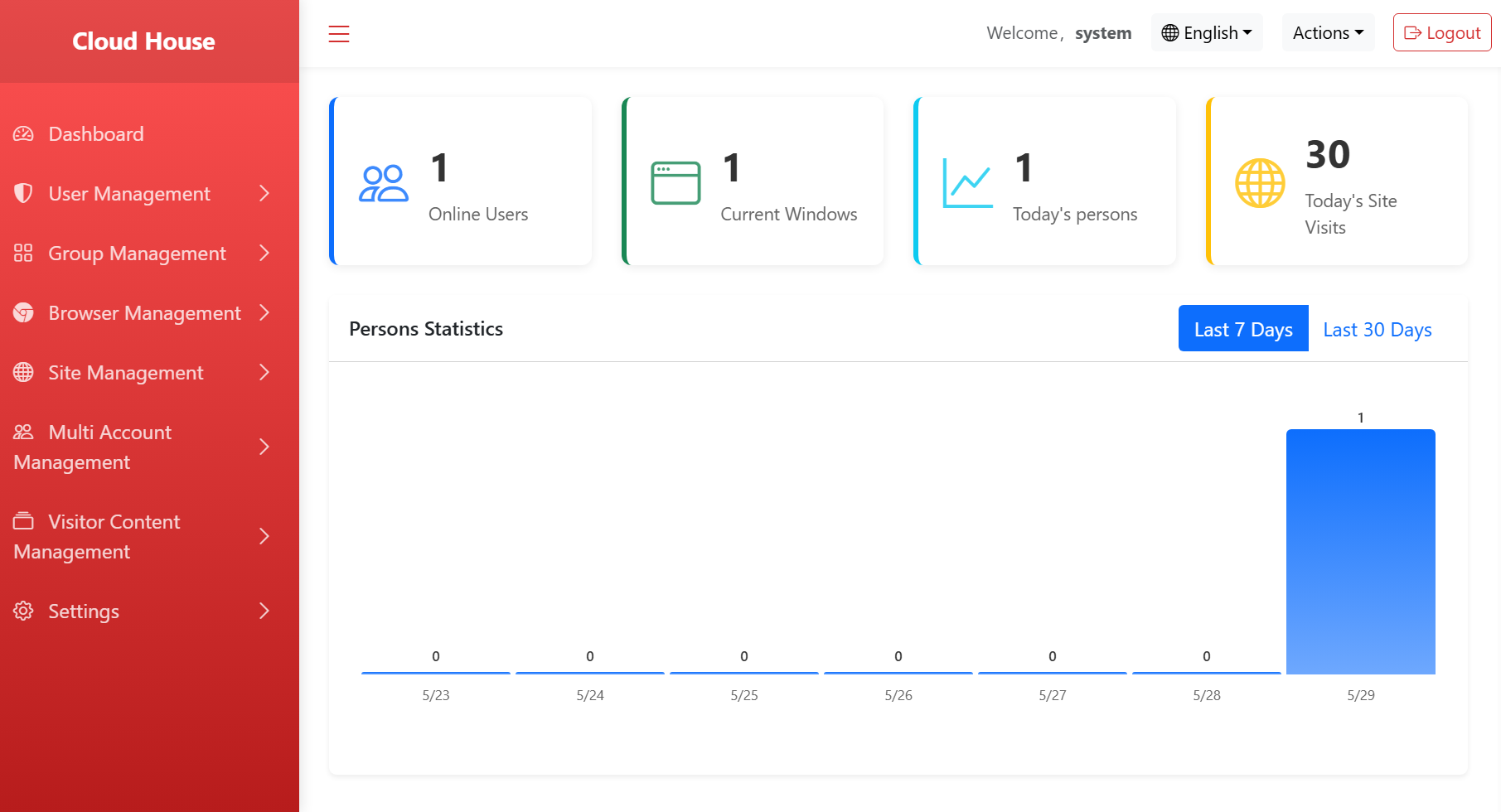
Admin console and analytics
Admin console and analyticsView users, sites, visits and usage data in one place.
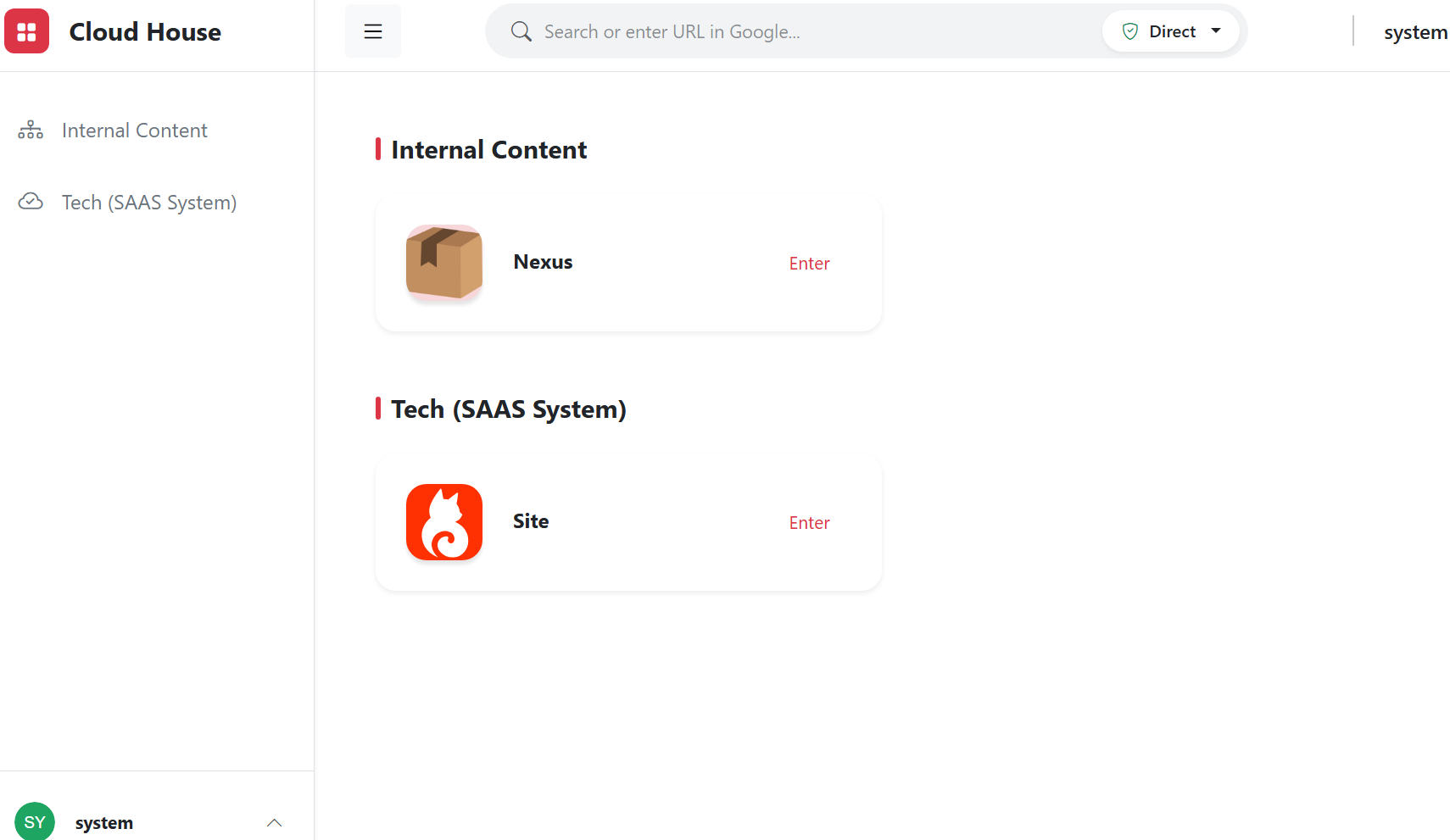
Workspace entry
Workspace entryManage internal systems and authorized resources in one controlled workspace.
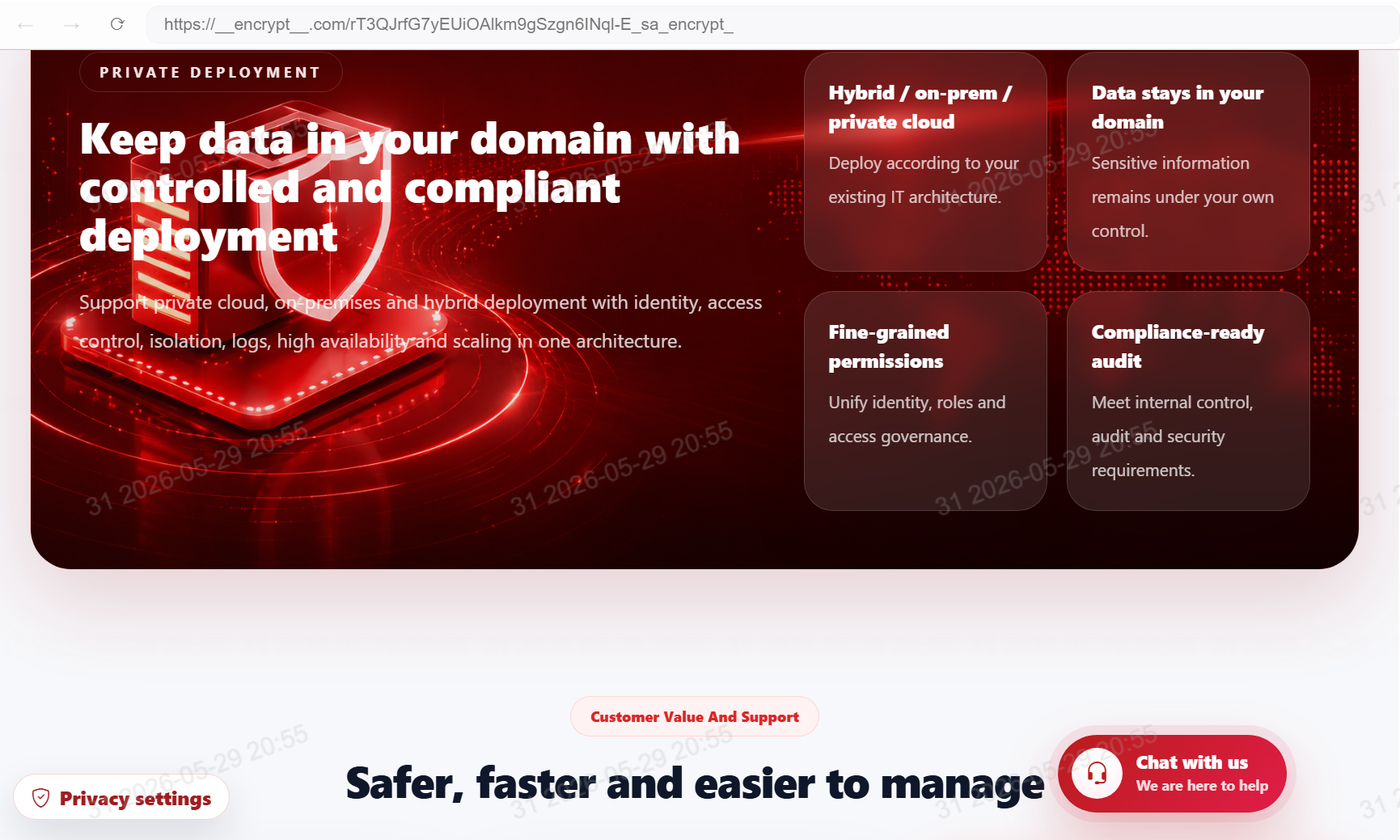
Watermark and sensitive-data protection
Watermark and sensitive-data protectionProtect important business content with watermarking, masking and copy controls.
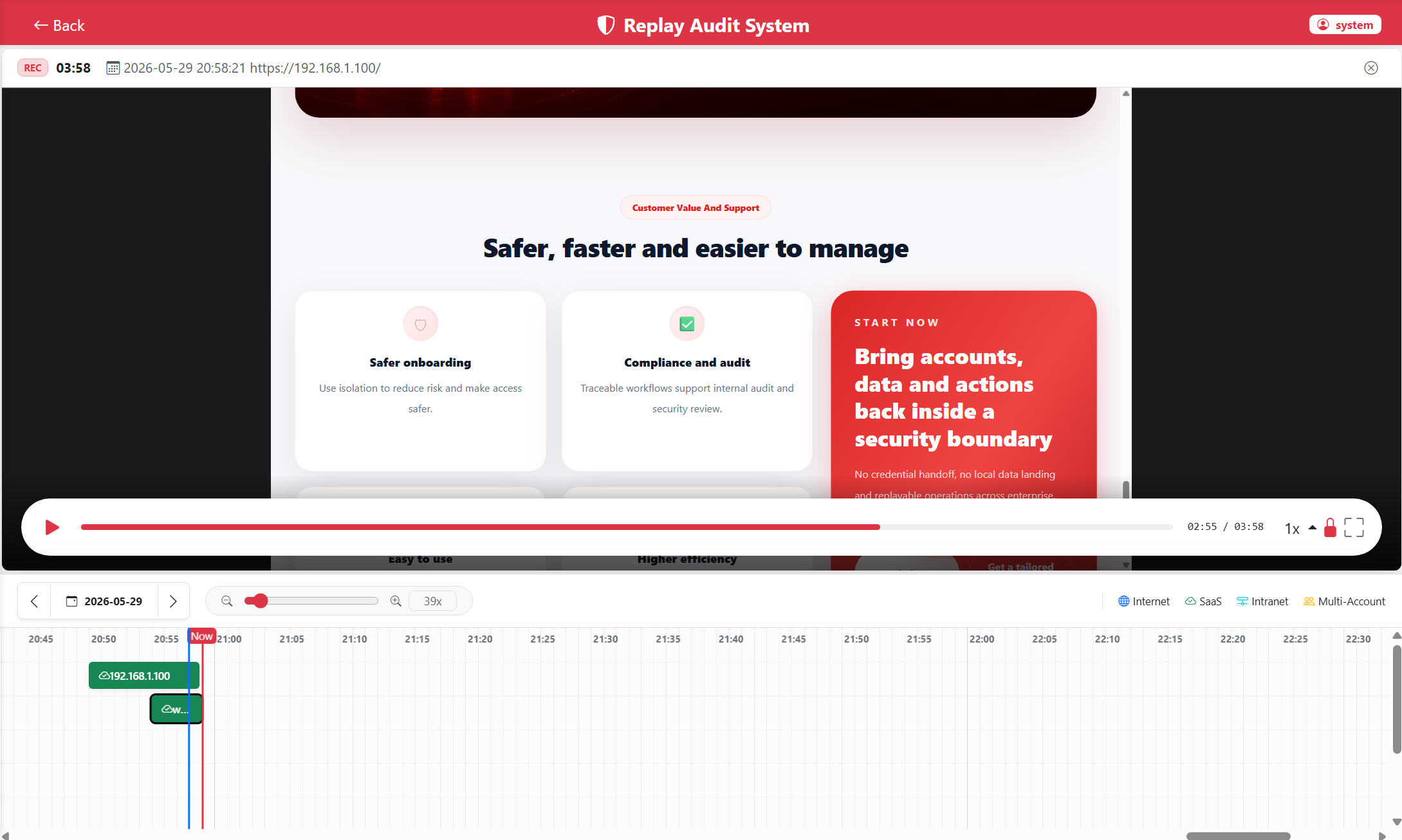
DOM recording and replay
DOM recording and replayUse structured web events for audits, training and reviews.

Eight functional modules for enterprise access governance

Cover credential protection, remote origin scripts and cookies, unified entries, BYOD access, employee transitions, permissions, watermarking, sensitive-data protection, long-term audits and private deployment.

Credentials, scripts and cookies stay remote

Keep origin scripts, cookies, internal-system credentials and sessions in a controlled workspace.

  • No sensitive credential storage on endpoints
  • Administrator-managed cookies and sessions
  • Works for business backends and internal tools

Browser bastion entry

Centralize internal systems, knowledge bases and business applications into one secure entry.

  • Resource grouping
  • Fast bastion entry access
  • Role-based resource visibility

BYOD access

Employees can use personal computers or phones to access approved workspaces while sensitive credentials and business data stay controlled.

  • No dedicated client required
  • Credentials stay off endpoints
  • Easier device changes and offboarding

Employee transition governance

During onboarding, transfers and offboarding, adjust workspace entries, resource scope and policies by role to reduce handover gaps.

  • Role-based entries
  • Central permission removal
  • Traceable operation history

Permissions and watermark protection

Govern whether users can access, view, copy or export content separately.

  • Role permissions
  • Visible and invisible watermark tracing
  • Sensitive content copy protection

Sensitive-data protection

Mask, hide or prevent copying of fields, images and page regions by role.

  • Key-field masking
  • Page-region hiding
  • Copy and download controls

DOM recording and replay

Record page structure and operation events instead of heavy video for audits, training and reviews.

  • Searchable operation traces
  • Skip static periods
  • Lower storage for long-term retention

Private deployment

Deploy according to the enterprise IT architecture while keeping data, logs and configuration under your control.

  • Private cloud / on-premises
  • Clear data boundaries
  • Administrator ownership

Workflow

From scattered access to browser bastion entries

Administrators configure internal systems, resource entries, access policies, role mappings and watermark rules in the browser bastion. Employees use authorized workspaces to access approved resources; transitions are handled by adjusting entries and permissions.

01

Configure resources and bastion entries

Administrators centralize internal systems, knowledge bases and business applications in browser bastion environments.

02

Set permissions and policies

Control access by user, job role, scope and watermark rules.

03

Assign workspace entries

Employees use authorized entries for approved resources while administrators manage handovers, entries and logs centrally.

04

Replay, audit and review

Critical operations are retained for security audits, process improvement, training and accountability.